Vietnam Coverage

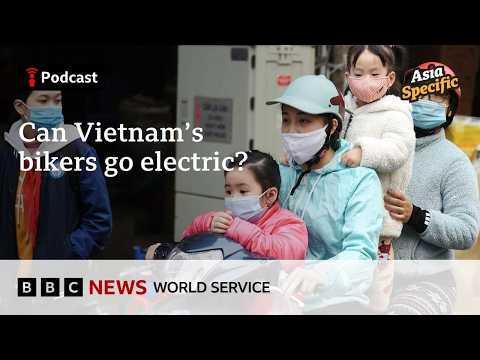
Can electric bikes save Vietnam's most polluted cities? - Asia Specific podcast, BBC World Service

Vietnam is betting on one of the boldest electric mobility plans, pushing more than 70 million riders to switch from petrol motorbikes to e-bikes, starting in the capital. The aim is to clear the air - but the transition raises big questions about cost, charging, and whether riders are ready to give up the machines that power their daily lives and define their identity.

In this Asia Specific podcast, host Mariko Oi speaks to BBC's Senior Journalist Sen Nguyen and Asia Business Reporter Nick Marsh to explore why motorbikes are so central to Vietnamese culture and whether e-bikes can really work in crowded cities and rural areas alike. We also look at the fierce competition in the e-bike market, in which Chinese manufacturers dominate, and ask whether Vietnam’s VinFast can become the BYD of two-wheelers.
Getty Images

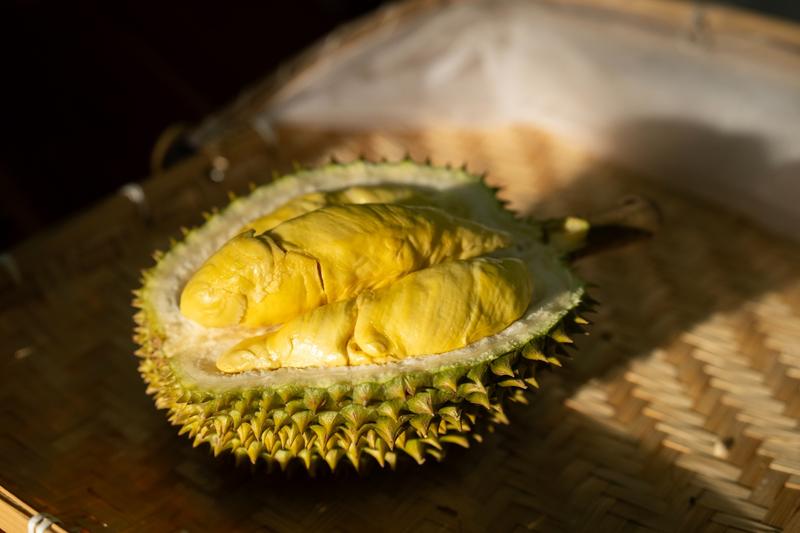
BBC World Service - The battle of durians

An international row has erupted over durian fruit, with China limiting imports of Vietnamese fruits due to health concerns. Journalist Sen Nguyen explores the potential health impacts of the durians and whether new regulations will put China’s concerns to rest (starting from 4:59)

Listeners can also find the episode on our Spotify channel https://open.spotify.com/episode/1Gwv8ySg1IKVQ7prL4buh7?si=EeHxLAonSoqhaEB6bixmuw&ct=300&context=spotify%3Ashow%3A1Dn0yb9vDDuoHWpoCveEa4&nd=1&dlsi=42e11885b5c54a20

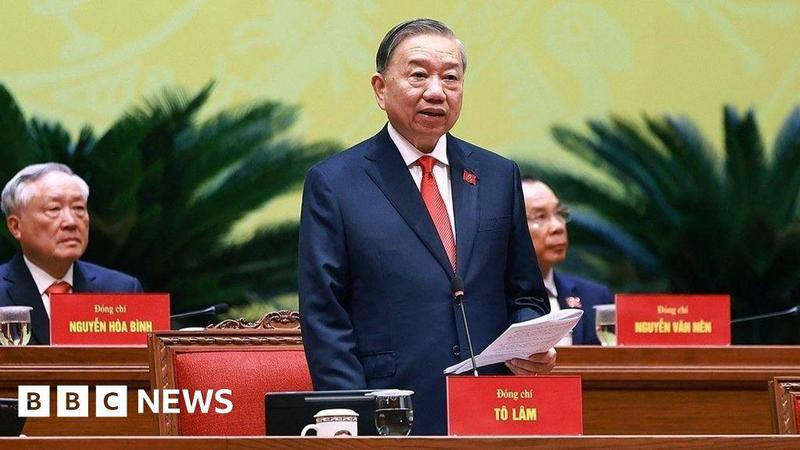
US President Biden visits Vietnam: Wartime foes to highest-level partners?

US President Joe Biden and Vietnam’s Communist Party General Secretary Nguyen Phu Trong are expected to agree to new partnership.

Just days ahead of US President Joe Biden’s visit to Vietnam for key talks on trade and closer diplomatic relations, the president paid homage to events from an earlier and very different time – when Washington and Hanoi were at war.

At the White House on Tuesday, Biden presented the Medal of Honor, the United States military’s highest award, to 81-year-old Larry Ta

Vietnam’s elephant ‘ID cards’ help preserve a diminished species

Conservationists are using visual data from camera traps to create individual ‘ID cards’ for Vietnam’s elusive elephants.

Dong Nai province, Vietnam – Dinh Quan knows just the right spot to hang out on a warm day.

A pool of clean water with fresh grass and some bamboo shoots nearby, preferably with vines hanging within easy reach and showing no signs of being poisonous.

Tailing behind Dinh Quan is his junior, Bien Dong, which means “South Sea” in Vietnamese. He is learning the ropes of jungle

Beyond a Barbie ban, Vietnam sets its censors on Netflix

When Barbie was banned from Vietnam’s screens in July, audiences were confused: Why was the country expelling a breezy summer film? The cause turned out to be a set of childishly drawn lines, which Vietnam’s censors interpreted as the movie’s representation of the nine-dash line, China’s territorial claim in the South China Sea.

But it’s not just Barbie that’s hit a nerve. More quietly, around the same time, the government had Netflix remove the Chinese series Flight To You in Vietnam. The culp

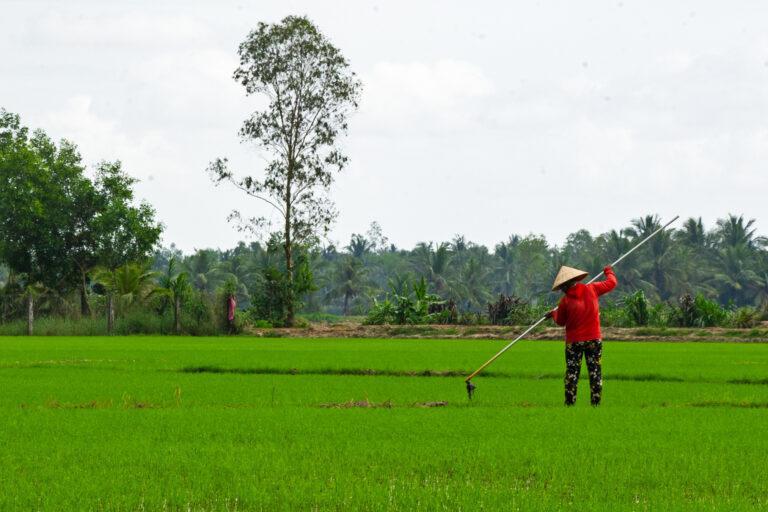
Vietnamese rice farmers go high-tech to anticipate a low-water future

- Since the 1970s, Vietnam’s “rice-first” policy facilitated the construction of an elaborate series of dikes and dams that allowed farmers in the Mekong Delta to flood their fields to allow for multiple harvests per year.
- Now, in the face of climate change impacts, seawater intrusion, upstream dams and new government policies that mandate water conservation, farmers in the delta need to find ways to reduce their water consumption.
- In one pilot project, university researchers have teamed up with local farmers to implement a technique called alternate wetting and drying (AWD), supported by a smartphone application that allows farmers to save water and reduce emissions.

A Tale of Many Turns: Lessons from Vietnam’s Pandemic Response

Vietnam’s battle against Covid-19 has been a classic case of rapid government response to the pandemic’s changing demands on the healthcare system. Rather than adhere to a rigid approach throughout the crisis, policy has changed with circumstances.

It has been a difficult and arduous journey, but the country has made significant progress. At the same time, the pandemic has brought to light systemic problems with social inequalities, particularly involving migrant workers
Load More

Get in touch